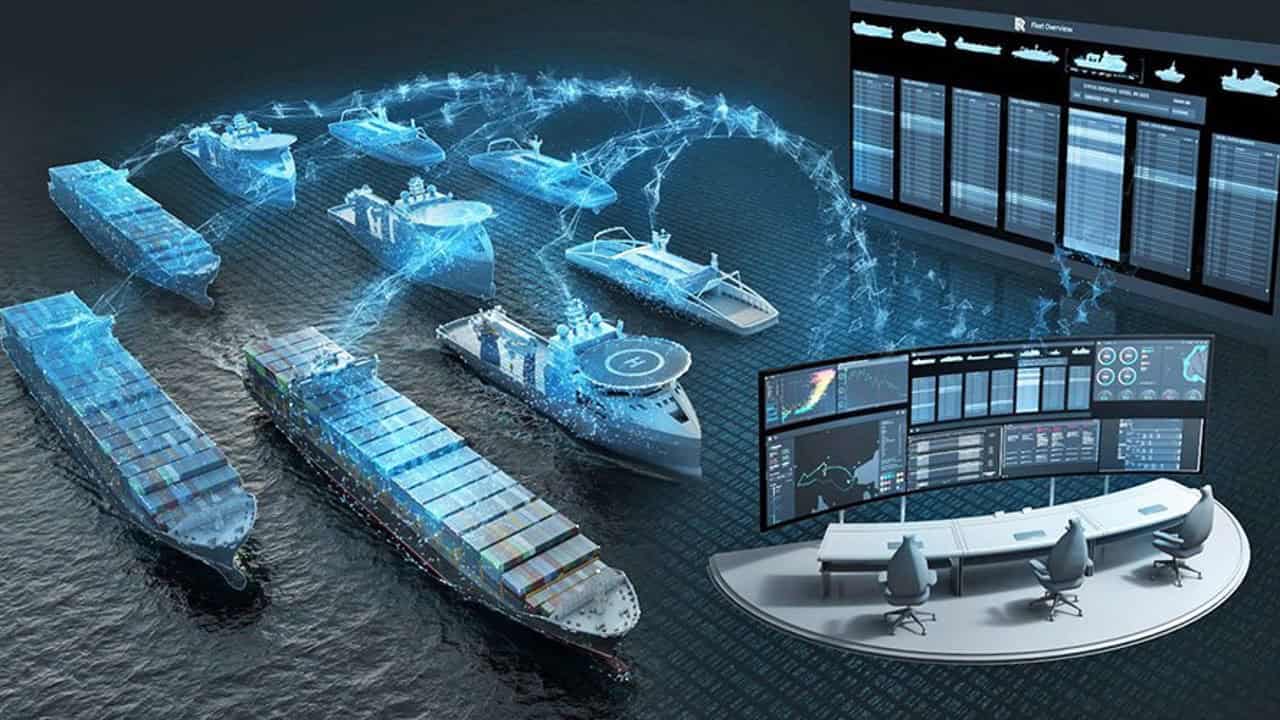
The maritime industry, one of the oldest forms of global transportation, is on the brink of a technological revolution. Historically slower to adopt new technologies than other sectors, the industry is now embracing artificial intelligence (AI), advanced analytics, and enhanced connectivity, which are transforming the way maritime operations are managed. This shift is not just incremental; it is fundamentally redefining how the industry operates, makes decisions, and envisions the future.
The Urgency of Digital Transformation
In today’s world, global trade is becoming more complex, and the need to reduce emissions, optimize costs, and enhance safety has never been greater. The maritime industry can no longer rely on traditional methods. Digital transformation is no longer a luxury—it’s a necessity.
AI and machine learning algorithms now allow the processing of vast amounts of data generated by vessels, ports, and logistics networks. By leveraging this data-driven approach, the industry gains predictive insights previously unattainable. For example, AI can optimize vessel routing by analyzing weather patterns, ocean currents, and vessel performance data, reducing both fuel consumption and emissions, which results in cost savings and environmental sustainability.
Boosting Operational Efficiency with AI
A standout benefit of AI in the maritime sector is its ability to predict problems before they arise, thereby boosting operational efficiency. Predictive maintenance solutions use sensor data from critical machinery to monitor real-time performance. AI algorithms can then detect patterns and anomalies, signaling potential equipment failures early.
Additionally, AI can predict hull fouling by analyzing factors such as vessel speed, fuel consumption, and water temperature. This allows for proactive maintenance scheduling, which ensures vessels operate efficiently and avoid unnecessary fuel costs. When these solutions work together, they create a seamless, orchestrated performance, much like an orchestra where every musician plays a vital role in producing a harmonious outcome.
Empowering Crews with Real-Time Insights
AI and digital tools are designed to enhance the human element, not replace it. With enhanced connectivity at sea, vessels remain in constant contact with shore-based teams, providing real-time support and decision-making assistance.
For instance, if a vessel encounters unexpected weather conditions, AI-powered systems can immediately recommend course adjustments. This real-time, data-driven insight empowers crews to make informed decisions quickly and confidently.
The Path to Continuous Innovation
While the potential of AI is inspiring, its practical implementation requires incremental steps that deliver immediate value. At OSM Thome, the launch of an AI virtual assistant, Ask OSM Thome, has proven to be a significant step forward. Initially introduced to shore teams, this virtual assistant provides instant answers based on the company’s Safety Management System.
As a result, Ask OSM Thome has significantly reduced time spent searching for information, streamlining tasks and making it a valuable tool in daily operations. The company continues to expand its capabilities, adding more knowledge sources to build one of the most comprehensive AI knowledge tools in the industry.
Strengthening Safety and Compliance
Safety remains a top priority in maritime operations, and AI is transforming how safety risks are managed. Advanced analytics can predict potential safety incidents by analyzing historical data on accidents, near-misses, and operational anomalies.
In addition, digital platforms are improving compliance with international regulations by automating reporting processes. This ensures that all necessary documentation is up-to-date and reduces the administrative burden on crews, allowing them to focus on critical tasks.
Advancing Sustainability Goals
With the global focus on decarbonization, the maritime industry is under pressure to adopt more sustainable practices. AI and digital technologies play a key role in optimizing vessel speed, route planning, and engine performance, helping to reduce both fuel consumption and greenhouse gas emissions.
Furthermore, transparent data reporting is becoming increasingly important, enabling the industry to demonstrate its environmental performance to regulators, customers, and stakeholders. This demand for sustainable supply chains is shaping the future of maritime logistics.
Embracing Change for a Resilient Future
As the maritime industry embraces AI and digital technologies, challenges such as cybersecurity risks and the integration of new technologies with legacy systems will arise. However, these obstacles highlight the importance of continuous innovation.
By taking incremental steps—such as deploying AI assistants like Ask OSM Thome—the maritime industry can make significant progress towards achieving sustainable, efficient, and resilient operations.
The future of the maritime industry is being reshaped by these technological advancements, and those who proactively adopt them will secure a competitive edge while contributing to a sustainable and resilient maritime future.
Moving The Sea With Us!
Contact us today: +351 265 544 370 or go to Contacts Page
Email: sales@partyard.eu
#PartYard #PartYardMarine #MaritimeInnovation #AIMaritime #DigitalTransformation #SmartShipping #SustainableShipping #PredictiveMaintenance #FutureOfShipping #AIInLogistics #MaritimeTechnology #SmartVessels #GreenShipping #OperationalEfficiency #MaritimeAI #TechInShipping #MovingTheSeaWithUs

