
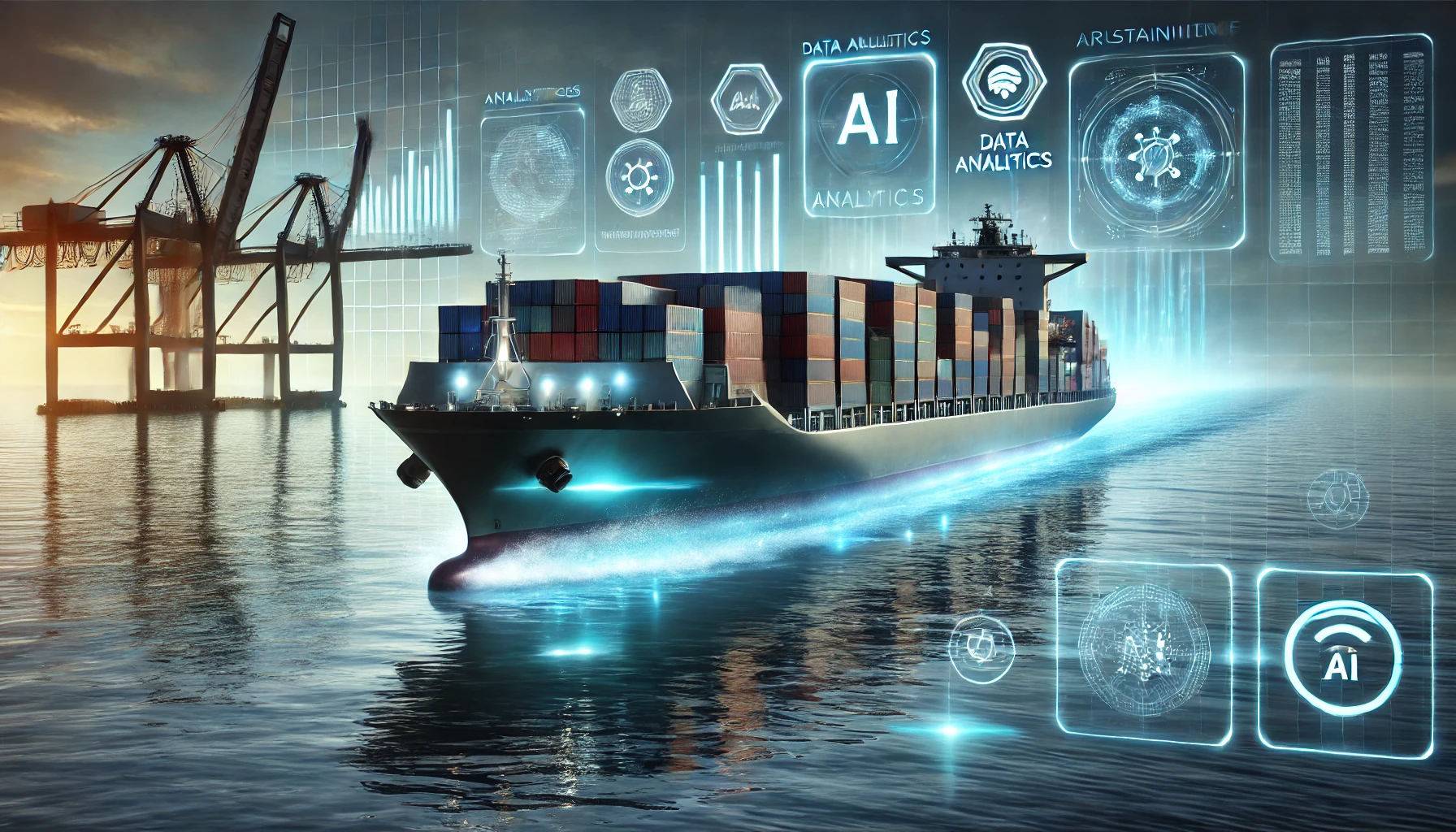
The shipping industry, a cornerstone of global trade, is undergoing a transformative shift with the integration of Artificial Intelligence (AI) technologies. AI is enhancing operational efficiency, safety, and sustainability, marking a significant evolution in maritime operations.
Enhancing Operational Efficiency
AI applications in shipping are streamlining various facets of operations:
- Fleet Management: AI algorithms analyze data from vessels to optimize routes, schedules, and maintenance, leading to reduced fuel consumption and operational costs.
- Cargo Optimization: AI assists in determining optimal cargo loads and stowage plans, maximizing space utilization and minimizing transit times.
- Supply Chain Management: By forecasting demand and monitoring inventory levels, AI enhances supply chain efficiency, ensuring timely deliveries and reducing stockouts.
Improving Safety and Risk Management
AI contributes to safety by:
- Predictive Maintenance: AI analyzes sensor data to predict equipment failures, allowing for timely maintenance and reducing the risk of accidents.
- Risk Assessment: AI evaluates environmental conditions and navigational data to identify potential hazards, enabling proactive risk mitigation.
Driving Sustainability
AI aids in reducing the environmental impact of shipping by:
- Energy Efficiency: Optimizing routes and speeds to minimize fuel consumption and lower greenhouse gas emissions. Reuters
- Emis
Market Growth and Adoption
The adoption of AI in maritime transport is accelerating:
- Market Expansion: The AI in Maritime Transport Market is projected to reach USD 9.7 billion by 2033, with a CAGR of 5.3% during the forecast period.
- Industry Partnerships: In July 2024, CMA CGM, a leading shipping company, partnered with Google to implement AI solutions across its global operations, aiming to enhance efficiency, reduce delivery times, and cut carbon emissions.
Challenges and Considerations
Despite the benefits, the integration of AI in shipping faces challenges:
- Labor Concerns: Automation raises concerns about job displacement among dockworkers and crew members. The Wall
- Regulatory Hurdles: The need for international regulations to govern AI applications in shipping is critical to ensure safety and standardization.
Conclusion
AI is revolutionizing the shipping industry by enhancing efficiency, safety, and sustainability. As the industry continues to embrace AI technologies, it is essential to address challenges related to labor and regulation to fully realize the potential benefits of this technological advancement.
Moving The Sea With Us!
Contact us today: +351 265 544 370 or go to Contacts Page
Email: sales@partyard.eu
#PartYard #ShippingIndustry #ArtificialIntelligence #MaritimeInnovation #AIinShipping #OperationalEfficiency #FleetManagement #CargoOptimization #SupplyChain #SafetyFirst #PredictiveMaintenance #Sustainability #GreenShipping #EmissionMonitoring #AIRevolution #TechnologyInShipping #SmartShipping #AIForGood #FutureOfShipping #ShippingSolutions #TechInMaritime

