

SKF Marine
SKF Simplex sterntube sealing and shaft line solutions for marine vessels, including oil-lubricated, water-lubricated, bulkhead and rudder stock seal systems.
Request Parts ›
Schottel
Schottel marine propulsion systems covering RudderPropellers, EcoPellers, TwinPropellers, PumpJets, Transverse Thrusters and RimThrusters for commercial and offshore vessels.
Request Parts ›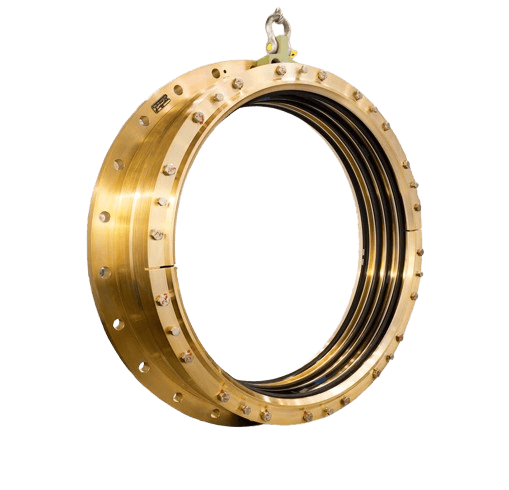
Simplex sterntube seals, oil-lubricated
- SC3 sealing ring
- Basic sterntube seal (A), SC3 - aft seal
- Advanced sterntube seal (B), SC3 - aft seal
- Basic + Advanced sterntube seal, split design (E + BE), SC3 - aft seal
- Multisafe sterntube seal (M), SC3 - aft seal
- Multisafe sterntube seal, split design (ME), SC3 - aft seal
- Multisafe sterntube seal (BR), SC3 - aft seal
- Multisafe sterntube seal, split design (BRE), SC3 - aft seal
- Airspace sterntube seal (SI, SII), SC3 - aft seal
- Airspace sterntube seal, split design (SIE, SIIE), SC3 - aft seal
- Active circulation unit
- Oil dryer
- Basic sterntube seal (Z), SC3 - fwd seal
- Basic sterntube seal, split design (EZ), SC3 - fwd seal
- Sterntube lubrication principles
- Modular sterntube lubrication and cooling units
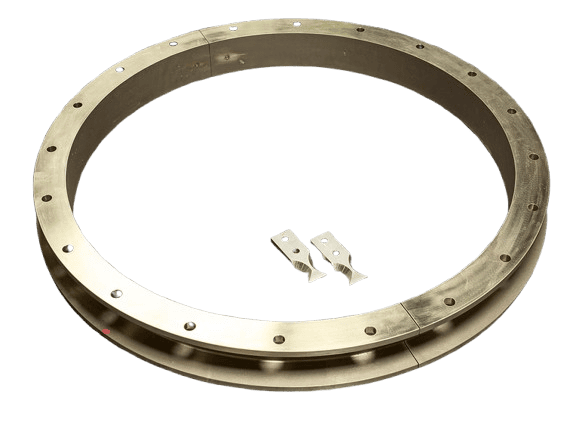
Simplex net protection for sterntube seals
- Net protector
- Net pick-up
- Net cutter
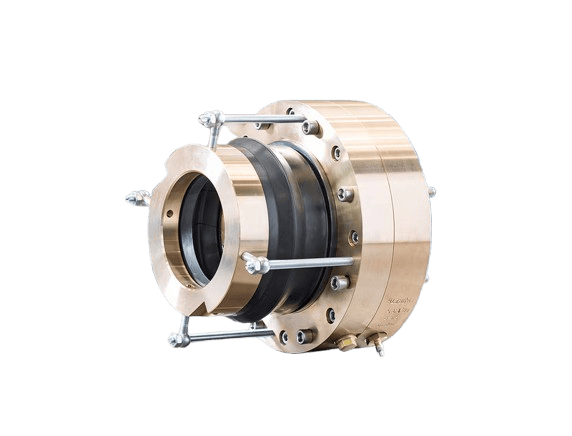
Simplex sterntube seals, water-lubricated
- Simplan sterntube seal - fwd seal
- Basic sterntube seal (ZW-P), SC3 - fwd seal
- Basic sterntube seal, split design (FZW-P), SC3 - fwd seal
- Basic sterntube seal, split design (EZW-P), SC3 - fwd seal
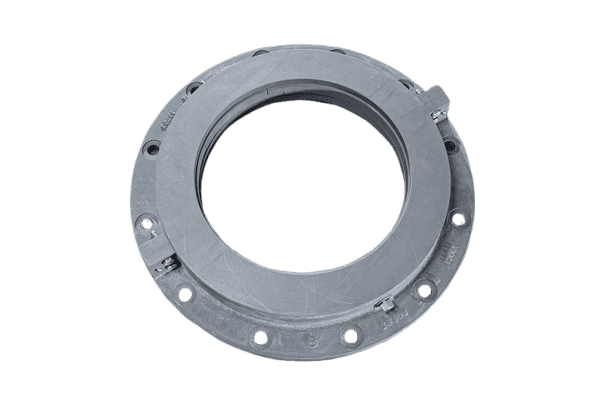
Simplex bulkhead seals
- Centrax bulkhead seal
- Gas-tight bulkhead seal (ZBS), SC3
- Gas-tight bulkhead seal, split design (EZBS), SC3
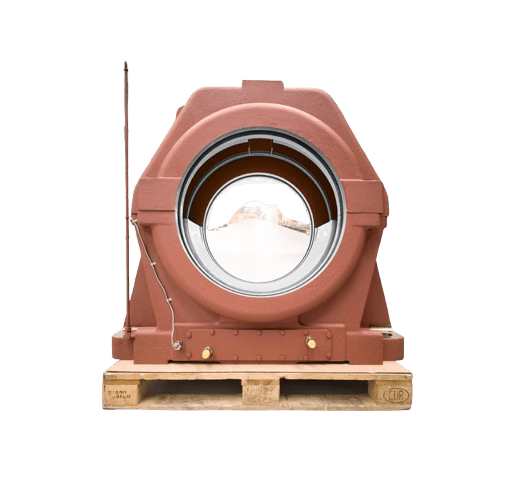
Simplex shaft bearings
- Intermediate shaft bearing, pedestal type
- Intermediate shaft bearing with forced lubrication
- Intermediate shaft bearing with hydrostatic jack-up
- Chocking
- Intermediate shaft bearing, saddle type
- Intermediate shaft bearing - safe return to port (SRTP)
- High-load thrust bearing
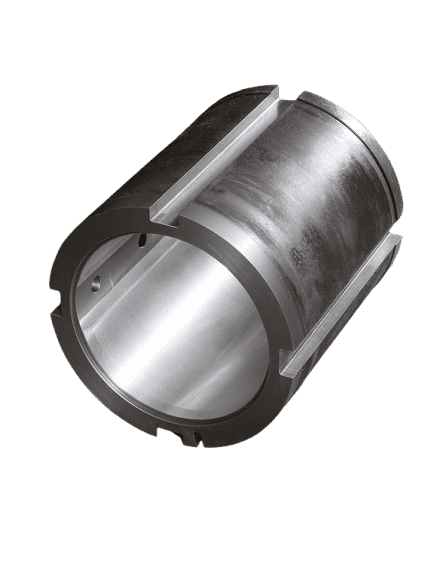
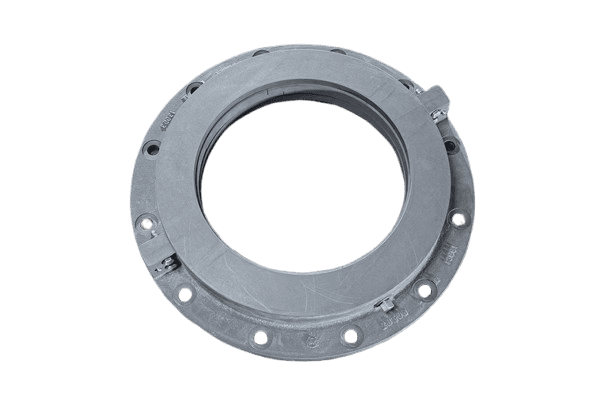
Simplex rudder stock seals
- Upper rudder stock seal, SC3
- Lower rudder stock seal, SC3
- Lower rudder stock seal in the coker, SC3
Simplex sterntube solutions
- Oil-lubricated complete sterntube systems - SternTube and FlexiTube
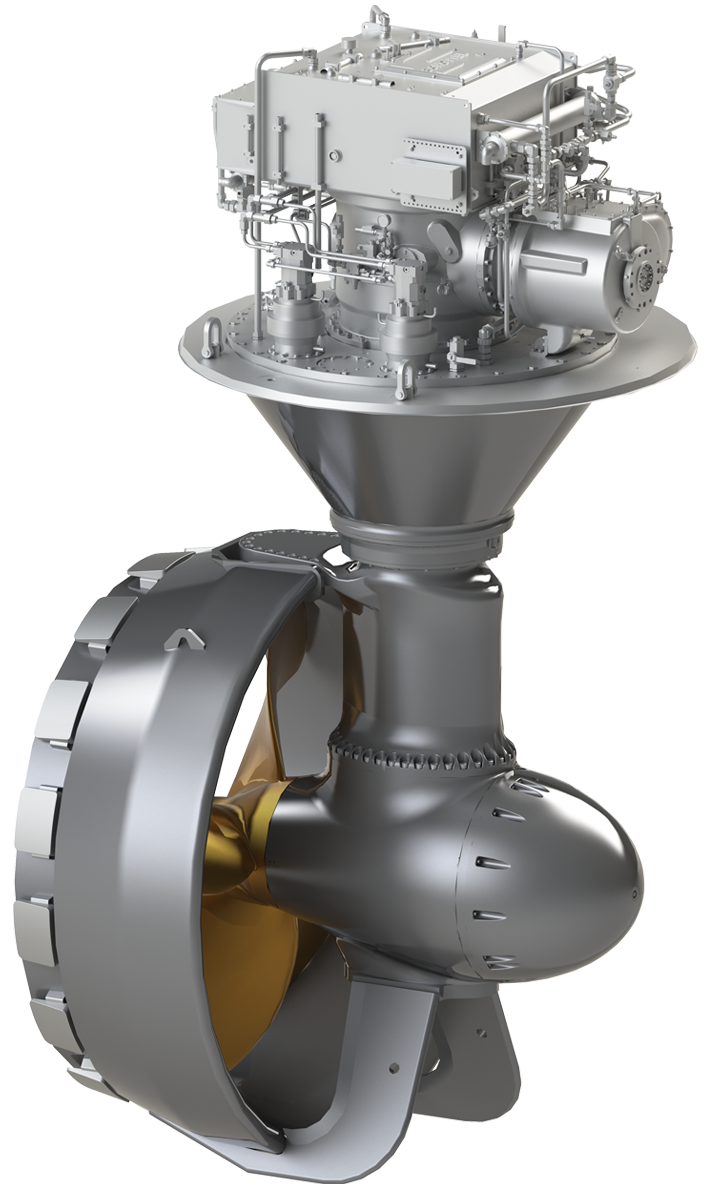
RudderPropeller
- SRP 100
- SRP 130
- SRP 150
- SRP 180
- SRP 210
- SRP 240
- SRP 270
- SRP 340
- SRP 360
- SRP 370
- SRP 400
- SRP 430
- SRP 460
- SRP 490
- SRP 500
- SRP 530
- SRP 560
- SRP 610
- SRP 630
- SRP 710
- SRP 730
- SRP 750
- SRP 800
EcoPeller
- SRE 90
- SRE 100
- SRE 150
- SRE 210
- SRE 270
- SRE 340
- SRE 360
- SRE 430
- SRE 460
- SRE 490
- SRE 560
- SRE 610
- SRE 700
- SRE 750
Retractable RudderPropeller
- SRP 130 R
- SRP 190 R
- SRP 210 R
- SRP 260 R
- SRP 340 R
- SRP 380 R
- SRP 460 R
- SRP 610 R
- SRP 700 R
- SRP 750 R
TransverseThruster (FP-Type/CP-Type)
- STT 60
- STT 90
- STT 110
- STT 170
- STT 1
- STT 2
- STT 3
- STT 4
- STT 5
- STT 6
- STT 7
- STT 610
- STT 710
- STT 650
- STT 800
Not sure which solution fits your business needs?
Marine Propellers — Overview
Marine propellers are the primary means of propulsion for the world’s commercial fleet, converting engine power into thrust to move vessels through water. From fixed-pitch propellers on bulk carriers and tankers to highly sophisticated azimuthing propellers on offshore support vessels and ferries, propellers come in a wide variety of configurations to match the operational demands of different vessel types. PartYard supplies spare parts for marine propellers and propulsion systems from leading manufacturers, supporting vessels operating across all major shipping trades.
The performance of marine propellers directly affects a vessel’s fuel consumption, speed, manoeuvrability, and vibration characteristics. Well-maintained propellers operating within their design parameters contribute to efficient vessel operations and reduced fuel costs. When propellers suffer from cavitation damage, fouling, or seal degradation, efficiency drops and engine loads increase. Maintaining propellers and their associated seal and bearing systems in good condition is therefore a key priority for ship managers and technical superintendents seeking to control operating costs and meet environmental targets.
PartYard covers two major product families for marine propellers and shaft line systems: SKF Marine Simplex sterntube sealing and shaft line components, and Schottel marine propellers including the full range of RudderPropellers, EcoPellers, TwinPropellers, ControllablePropellers, Retractable RudderPropellers, PumpJets, Transverse Thrusters, and RimThrusters. Both product families are supported by PartYard’s global supply chain and technical expertise.
SKF Marine Propulsion Systems
SKF Marine is a world-leading supplier of shaft line solutions for marine propellers, sterntube sealing systems, and bearing arrangements for commercial vessels of all types. SKF Simplex products are engineered to provide reliable, long-service sealing of the propeller shaft where it exits the vessel’s hull, preventing seawater ingress into the engine room and ensuring that lubricating oil or water does not escape into the sea. SKF Marine shaft line components are installed aboard thousands of vessels worldwide, from small coastal traders to the largest ocean-going tankers and container ships.
The SKF Marine product range for propellers and shaft line applications covers sterntube seals for both oil-lubricated and water-lubricated shaft lines, net protection systems, bulkhead seals, shaft bearings in multiple configurations, sterntube bushes, rudder stock seals, and complete sterntube systems. Each product is designed to work in harmony with the vessel’s propellers and shaft line arrangement, providing a sealed, low-friction system that minimises maintenance requirements and maximises service intervals between overhauls.
SKF Marine Shaft Line Solutions
SKF Simplex Sterntube Seals for Propellers
The sterntube seal is the critical sealing element between the vessel’s hull and the propeller shaft. It must prevent seawater from entering the sterntube while also retaining the lubricating oil used in oil-lubricated shaft line arrangements. SKF Simplex SC3 sterntube seals are available in a comprehensive range of configurations to suit different shaft diameters, installation arrangements, and propulsion system requirements.
For oil-lubricated sterntube systems fitted to conventional fixed-pitch and controllable-pitch propellers, SKF offers the Basic (A), Advanced (B), Multisafe (M, BR), Airspace (SI, SII), and split-design variants of the SC3 aft seal, together with Basic (Z) and split-design (EZ) forward seals. These sterntube seals protect the shaft line for propellers operating across all vessel types and trading conditions.
Water-lubricated sterntube arrangements, which use the surrounding seawater as a bearing lubricant and are increasingly favoured for their environmental benefits, are supported by SKF Simplan and SC3 ZW-P series forward seals. These products are suitable for vessel propellers operating on both open ocean routes and in environmentally sensitive coastal waters. PartYard supplies the full range of SKF Simplex sterntube seal variants, including net protection accessories such as net protectors, net pick-up devices, and net cutters designed to prevent fouling of propellers and shaft seals by marine debris.
SKF Shaft Bearings, Bulkhead Seals and Rudder Stock Seals
Beyond the sterntube seals directly associated with propellers, SKF Marine provides a complete range of shaft line support components. Intermediate shaft bearings in pedestal, saddle, and forced-lubrication configurations support the propeller shaft at intermediate points along its length, maintaining shaft alignment and minimising vibration from rotating propellers. High-load thrust bearings are available for propulsion systems with high thrust transmission requirements.
Bulkhead seals from SKF Marine — including the Centrax and gas-tight ZBS/EZBS models — seal propeller shaft penetrations through internal vessel bulkheads, preventing flooding propagation in damage scenarios and containing any oil or gas that might be present in specific compartments. These seals complement the sterntube seals to provide a complete shaft line sealing solution from the propellers back through the vessel to the gearbox or engine.
Rudder stock seals — upper and lower rudder stock seals and lower rudder stock seals in the coker — protect the rudder stock penetration through the hull, providing an additional line of defence against seawater ingress in the steering system. Though not directly part of the propellers themselves, rudder stock seals are an integral part of the overall propulsion and steering arrangement and are supplied by PartYard as part of our comprehensive shaft line parts inventory.
Schottel Marine Propellers
Schottel is one of the world’s leading manufacturers of marine propellers and propulsion systems for commercial, offshore, and specialised vessels. Schottel propellers are renowned for their high efficiency, precise manoeuvrability, and robust construction, making them a preferred choice for dynamic positioning vessels, offshore support ships, ferries, dredgers, tugs, and research vessels. The Schottel product range covers a comprehensive selection of propulsion configurations including RudderPropellers, EcoPellers, TwinPropellers, ControllablePropellers, Retractable RudderPropellers, PumpJets, Transverse Thrusters, and RimThrusters.
Schottel propellers are designed to provide full 360-degree thrust vectoring in the case of azimuthing units, giving vessels exceptional manoeuvrability without the need for conventional rudders. This capability is particularly valuable for vessels that must hold precise positions in strong currents and winds, such as offshore drill ships, pipe-laying vessels, and crane vessels operating in dynamic positioning mode. PartYard supplies genuine and compatible spare parts for Schottel propellers across all major series and size variants.
Schottel Marine Propulsion Systems
Schottel RudderPropellers
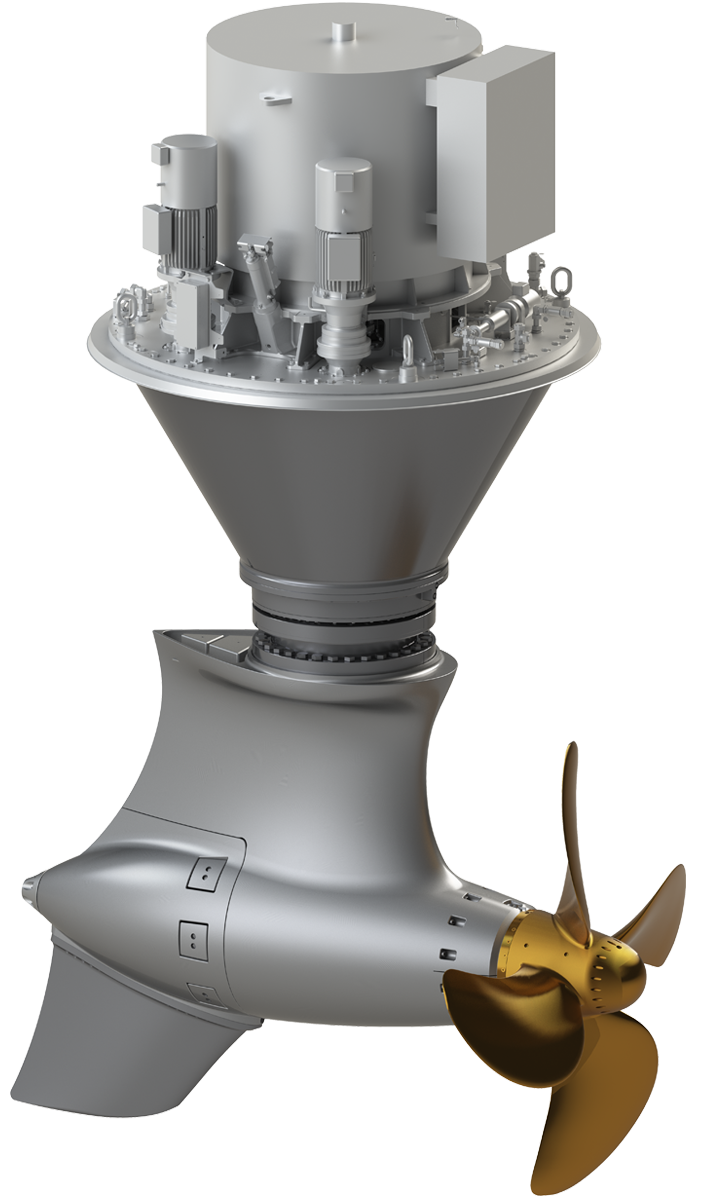
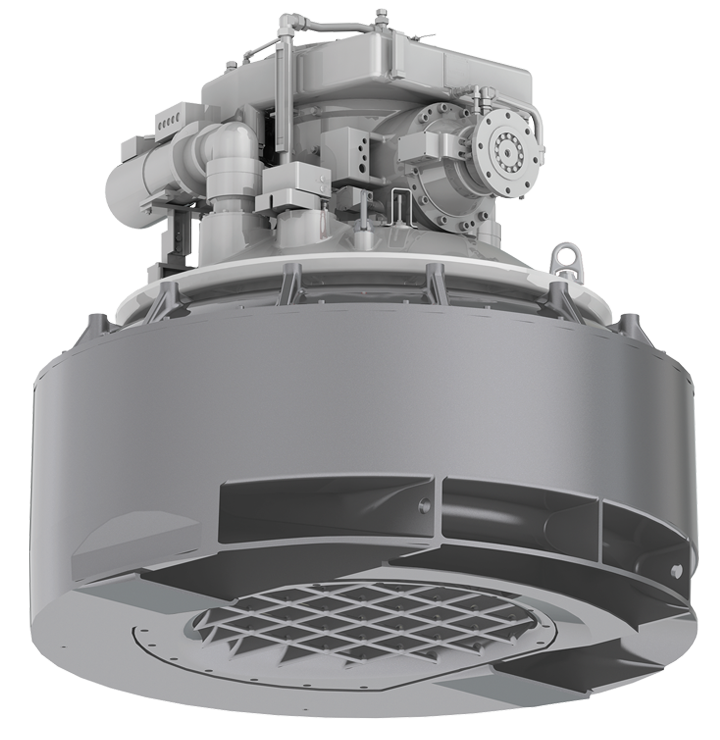
The Schottel RudderPropeller (SRP) is the flagship product of the Schottel propellers range, combining propulsion and steering in a single 360-degree rotating unit. SRP propellers are available in sizes from SRP 100 through SRP 800, covering a wide range of power inputs and vessel types. The SRP design houses a fixed-pitch propeller in a steerable nozzle or open configuration, driven through a Z-drive bevel gear arrangement that transmits engine power from the vessel’s machinery space to the underwater propeller unit.
SRP propellers are installed on a wide variety of working vessels including offshore supply vessels, tugs, ferries, dredgers, and research ships. The ability to direct thrust in any horizontal direction makes SRP propellers highly effective for station keeping, precision berthing, and manoeuvring in confined waters. PartYard stocks spare parts for SRP propellers including seal kits, bearing sets, anode kits, gear components, and hydraulic control system parts for the full range from SRP 100 to SRP 800.
Schottel EcoPellers and TwinPropellers
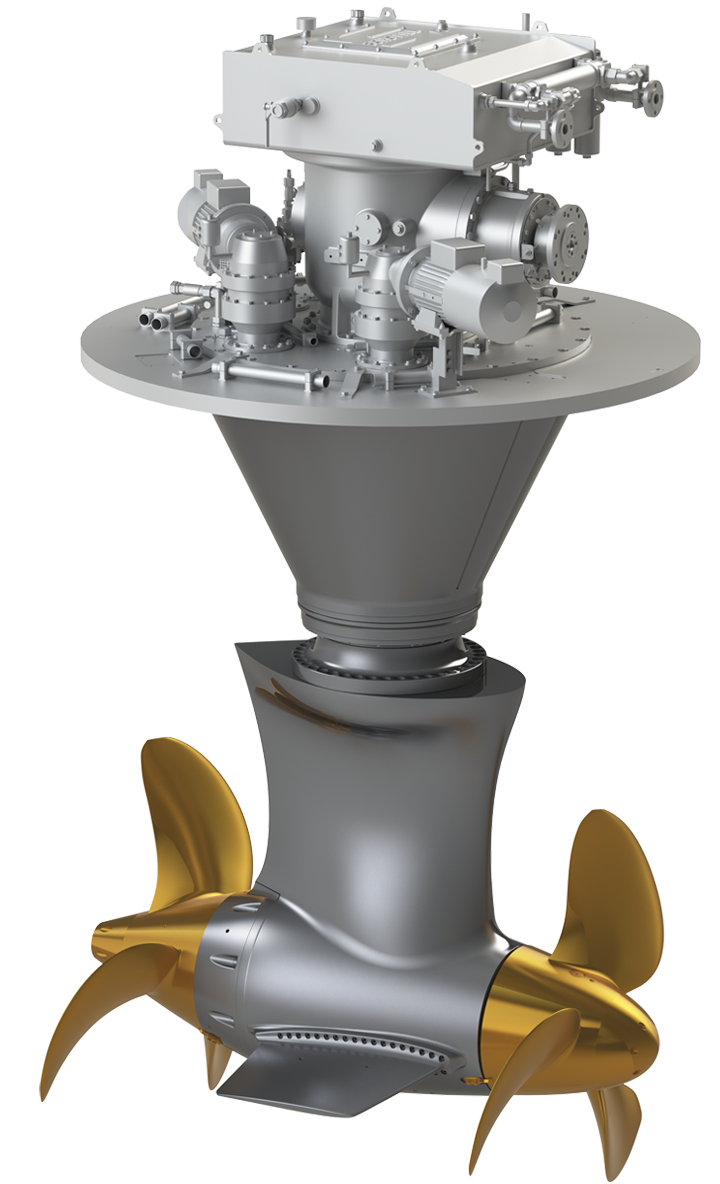
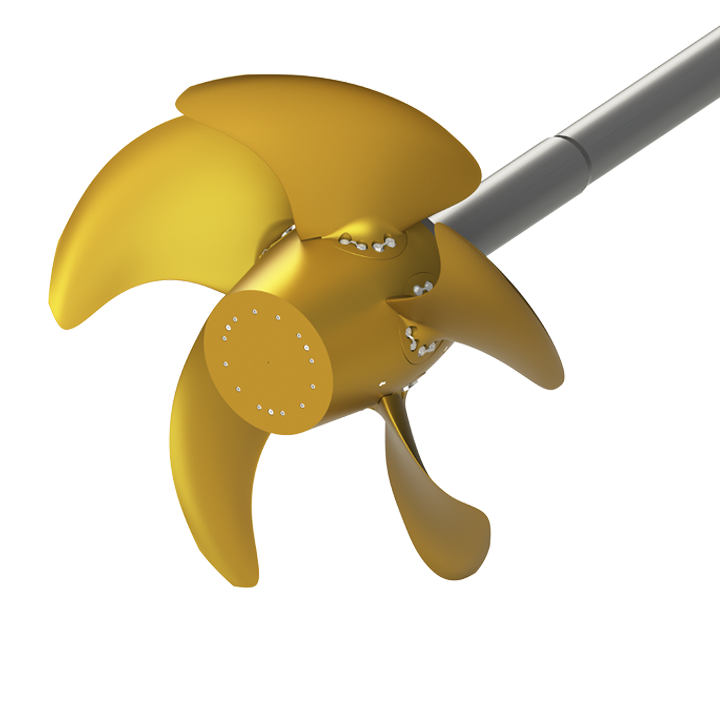
The Schottel EcoPeller (SRE) is an advanced variant of the RudderPropeller, incorporating a contra-rotating propeller arrangement that significantly improves hydrodynamic efficiency compared to conventional single-screw propellers. SRE propellers recover the rotational energy in the propeller slipstream, converting it into additional thrust and reducing fuel consumption. EcoPeller propellers are available in sizes from SRE 90 to SRE 750, making them suitable for a wide range of vessel classes where fuel efficiency and reduced emissions are priorities.
Schottel TwinPropeller (STP) systems feature two co-axial counter-rotating propellers mounted on a single hub, providing high thrust density in a compact installation envelope. STP propellers are well suited to vessels with limited underwater space or those requiring high power density, available from STP 100 through STP 560. PartYard supplies spare parts for both SRE EcoPeller and STP TwinPropeller systems, including all rotating and static components required for scheduled maintenance and overhaul of these advanced propellers.
Schottel Thrusters, PumpJets and RimThrusters
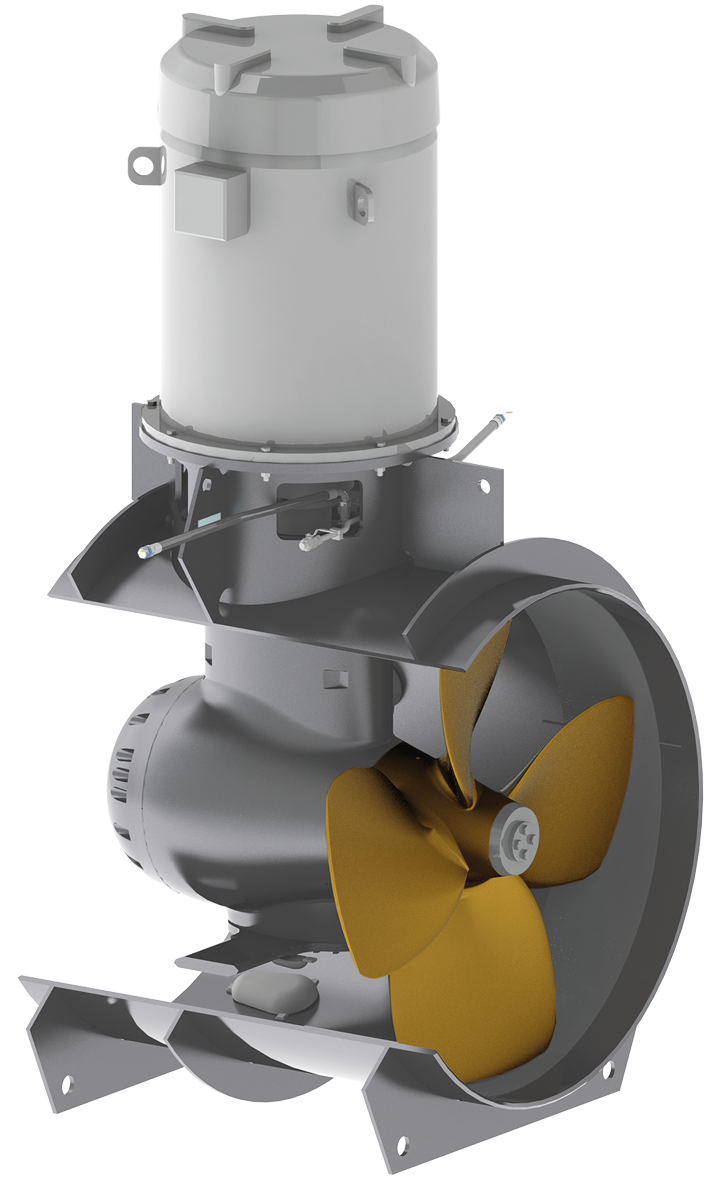
Schottel Transverse Thrusters (STT) are fixed-axis propellers installed in tunnels running transversely through the bow or stern of a vessel, providing lateral thrust for manoeuvring assistance without requiring azimuthing capability. STT propellers are available in both fixed-pitch (FP) and controllable-pitch (CP) configurations, covering a wide range from STT 60 to STT 800 to match the power requirements of different vessel classes.
Schottel PumpJet (SPJ) propellers provide propulsion through a pump-jet principle, accelerating water through a duct rather than using open propellers. PumpJet propellers offer good performance in shallow water conditions and are less susceptible to cavitation and damage from floating debris than open propellers, making them suitable for river vessels, landing craft, and shallow-draught workboats. The SPJ range covers from SPJ 15 to SPJ 520.
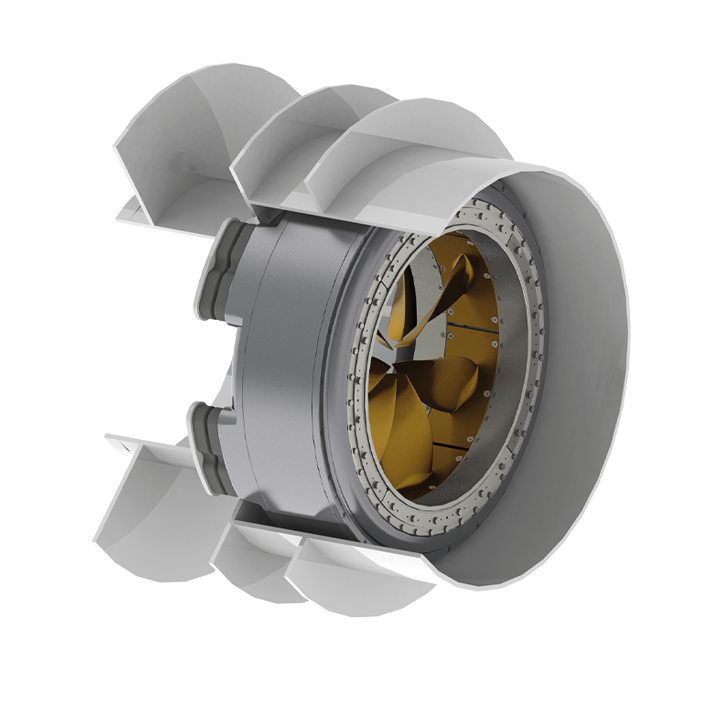
Schottel RimThruster (SRT) propellers represent the latest generation of low-profile transverse thruster technology, with the electric drive motor integrated into the propeller tip rim rather than mounted separately. RimThrusters eliminate the need for a conventional shaft and seal arrangement, reducing maintenance requirements and offering exceptional space efficiency. SRT propellers are available in SRT 800, SRT 1000, and SRT 1250 sizes. PartYard supplies spare parts and components for all Schottel thruster and propellers types, covering the full model range.
Propellers Spare Parts and Components
Marine propellers and propulsion systems require a range of spare parts to maintain reliable operation throughout their service life. Seal kits for sterntube seals protecting propellers must be replaced at scheduled intervals to prevent shaft leakage. Bearing sets for shaft bearings and propulsion unit support bearings require replacement based on running hours and condition monitoring results. Anode kits for cathodic protection of propellers and underwater running gear must be replaced at each dry docking to prevent galvanic corrosion damage.
For Schottel azimuthing propellers, additional spare parts requirements include gear oil seals, steering bearing components, nozzle wear ring sets, blade seal kits for controllable-pitch propellers, and hydraulic system components for pitch control and steering actuation. PartYard maintains an inventory of commonly required spare parts for the most widely installed propellers types and can source less common components through our manufacturer and distributor network.
For SKF Marine shaft line products associated with propellers, spare parts include individual sealing rings, complete seal replacement sets, bearing inner and outer rings, sterntube bush sets, and complete replacement seal assemblies. PartYard can supply parts by SKF part number, drawing reference, or component description to ensure correct identification for the installed propellers and shaft line configuration on each vessel.
Propellers Maintenance and Classification
Marine propellers and their associated shaft line systems are subject to periodic inspection and maintenance requirements under classification society rules. Major classification societies including Lloyd’s Register, DNV, Bureau Veritas, ABS, ClassNK, and RINA require inspection of propellers and shaft line components at defined intervals, typically linked to the vessel’s special survey cycle of five years. Sterntube seal condition, shaft bearing clearances, propeller blade condition, and cathodic protection systems are all subject to survey inspection.
Planned maintenance of propellers and propulsion systems should follow the manufacturer’s recommended service intervals, which typically specify replacement of sealing elements at two to three year intervals and bearing inspection at each dry docking. Condition monitoring through oil sampling from sterntube lubrication systems can extend service intervals for propellers with healthy shaft line arrangements, while early detection of seal deterioration allows maintenance to be planned rather than reactive.
PartYard supports vessels’ classification maintenance programmes by supplying the correct spare parts for propellers and shaft line systems with full documentation, including test certificates, material declarations, and classification society type approval documentation where applicable. Our team can assist with part identification from classification survey reports and maintenance records to ensure the correct components are supplied for each propellers overhaul event.
Why Choose PartYard for Marine Propellers Parts
PartYard is a specialist marine spare parts supplier with extensive experience in sourcing components for marine propellers and propulsion systems. Our technical team has in-depth knowledge of SKF Marine and Schottel propellers product families and can assist customers with part identification, specification confirmation, and compatibility verification for any installation. Whether you need a single sterntube seal ring or a complete overhaul kit for a Schottel RudderPropeller, PartYard can supply the right parts efficiently.
We serve fleet operators, ship managers, purchasing departments, and port agents worldwide with fast, reliable delivery of propellers spare parts to ports across all major shipping regions. Our logistics capabilities cover standard freight to scheduled vessel arrival windows as well as express courier delivery for urgent propellers maintenance requirements. Contact PartYard via our contacts page to request a quote for propellers spare parts and propulsion system components.
PartYard’s inventory of propellers and shaft line spare parts covers SKF Simplex SC3 sterntube seals in all configurations, net protection systems, shaft bearings, bulkhead seals, rudder stock seals, and complete sterntube systems, alongside Schottel RudderPropellers (SRP 100–800), EcoPellers (SRE 90–750), TwinPropellers (STP 100–560), ControllablePropellers (SCP), Retractable RudderPropellers (SRP-R), PumpJets (SPJ 15–520), Transverse Thrusters (STT 60–800), and RimThrusters (SRT 800–1250). Request a quote via the PartYard contacts page today.
The Global Marine Industry and Commercial Shipping
The global marine industry is one of the most critical sectors of the world economy, responsible for transporting approximately ninety percent of all international trade by volume. From bulk carriers and container ships to tankers, ferries, and specialized offshore vessels, the sheer diversity of maritime craft reflects the complexity of modern commerce. Every year, thousands of vessels depart from ports across every continent, carrying raw materials, finished goods, energy resources, and passengers to destinations around the globe.
Commercial shipping has evolved dramatically over the past century. Early steam-powered vessels gave way to diesel engines, which in turn have been supplemented by hybrid electric systems, liquefied natural gas propulsion, and increasingly sophisticated automation technologies. Modern cargo ships are engineering marvels, capable of carrying tens of thousands of containers across transoceanic routes in a matter of weeks. The efficiency of these vessels depends on a complex interplay of hull design, engine performance, fuel consumption management, navigation systems, and the reliability of every mechanical component aboard.
The marine sector is also subject to increasingly stringent international regulations. The International Maritime Organization has introduced successive rounds of environmental standards targeting sulphur oxide emissions, nitrogen oxide emissions, and underwater noise pollution. These regulatory pressures have driven significant investment in cleaner fuels, exhaust gas cleaning systems, and more hydrodynamically efficient vessel designs. Ship operators who invest in quality components and proactive maintenance programmes are better positioned to comply with current and forthcoming environmental requirements.
Port infrastructure plays an equally important role in the efficiency of global trade. Major hub ports in Rotterdam, Singapore, Shanghai, and Los Angeles handle millions of container units annually, requiring sophisticated logistics coordination and highly reliable vessel turnaround times. Any mechanical failure that delays a vessel at sea or forces an unscheduled port call can have cascading effects across supply chains, resulting in financial penalties, cargo spoilage, and reputational damage for the vessel operator.
Vessel Maintenance Programmes and Planned Maintenance Systems
Modern commercial vessels operate according to structured planned maintenance systems, or PMS, which schedule inspections, servicing, and component replacements based on running hours, calendar intervals, and condition monitoring data. These systems have largely replaced the old-fashioned reactive maintenance approach, where crews would wait for a failure before addressing a problem. Proactive maintenance dramatically reduces the risk of catastrophic breakdowns at sea, which can be both extremely dangerous and extraordinarily expensive.
Classification societies such as Lloyd’s Register, Bureau Veritas, DNV GL, and American Bureau of Shipping set the international standards for vessel maintenance and certification. Vessels must pass periodic class surveys to retain their operational certificates, and many of these surveys include detailed inspections of the underwater hull, shaft systems, sealing arrangements, bearings, and other critical components. Shipowners who maintain rigorous maintenance schedules and keep accurate records of all servicing work are better prepared for these surveys and less likely to face expensive remedial work at inconvenient times.
The role of the ship’s chief engineer is central to any effective maintenance programme. Chief engineers are responsible for overseeing all machinery spaces, managing the technical crew, maintaining spare parts inventories, and ensuring that all maintenance activities comply with both the manufacturer’s recommendations and the classification society’s requirements. Experienced chief engineers develop a deep familiarity with the specific characteristics of their vessel’s machinery, enabling them to identify early warning signs of wear or misalignment before they develop into serious problems.
Condition monitoring technologies have become increasingly sophisticated in recent decades. Vibration analysis, thermographic imaging, oil analysis, and acoustic emission monitoring can all provide early indications of developing faults in rotating machinery, allowing maintenance teams to intervene before a failure occurs. Many modern vessels are equipped with remote monitoring systems that transmit real-time performance data to shore-based technical teams, enabling expert analysis and proactive decision-making even when a vessel is thousands of miles from the nearest port.
Dry docking is a major event in any vessel’s maintenance cycle. During dry dock periods, which typically occur every two to five years depending on vessel type and classification requirements, the entire underwater hull and all associated equipment is inspected, cleaned, and serviced. This is the primary opportunity to carry out work that cannot be done while the vessel is afloat, including hull repainting, anode replacement, shaft seal servicing, and thorough inspection of all underwater rotating components. Effective planning of dry dock work requires advance procurement of all required spare parts and consumables, and suppliers who can guarantee timely delivery play a critical role in minimizing dry dock duration.
Supply Chain Management for Marine Spare Parts
The supply chain for marine spare parts is a highly specialized field, shaped by the global distribution of vessels, the enormous diversity of equipment types and manufacturers, and the critical nature of the components involved. When a vessel is in port for only a short time, or when a failure occurs at sea, the ability to rapidly source and deliver the correct spare part can make the difference between a minor inconvenience and a major operational crisis.
Marine spare parts suppliers must maintain extensive inventories covering a wide range of original equipment manufacturer parts, as well as approved equivalent alternatives. Major original equipment manufacturers typically have their own service networks, but the time and cost associated with OEM-direct sourcing can be prohibitive in urgent situations. Independent marine spare parts distributors, like PartYard, provide an essential alternative, offering competitive pricing, faster response times, and the flexibility to source parts from multiple suppliers to meet customer requirements.
The logistics of marine spare parts delivery present unique challenges. Vessels may be in ports that are not well served by standard courier networks, and customs clearance procedures can add significant delays when parts must cross international borders. Experienced marine spare parts suppliers develop expertise in navigating these logistical complexities, maintaining relationships with freight forwarders and customs brokers in key ports around the world, and ensuring that all shipments are accompanied by the correct documentation to facilitate smooth clearance.
Quality assurance is a fundamental concern in marine spare parts procurement. The use of substandard or counterfeit components can have serious safety implications, and classification societies and flag state authorities take a dim view of vessels found to be using non-certified parts in critical systems. Reputable marine spare parts suppliers maintain traceability documentation for all products, confirming their origin, manufacturing standards, and suitability for the intended application. This documentation is essential for class surveys and port state control inspections.
Many vessel operators and ship management companies have established approved supplier lists, which identify the suppliers whose products and documentation standards have been vetted and approved for use on their managed vessels. Gaining a place on an approved supplier list requires a supplier to demonstrate not only competitive pricing and good stock availability, but also the quality of their documentation, the reliability of their delivery performance, and the competence of their technical support capability.
Marine Engineering Standards and Certification
The design, manufacture, and testing of marine engineering components is governed by a comprehensive framework of international standards. The International Organization for Standardization publishes numerous standards relevant to marine engineering, covering material specifications, dimensional tolerances, testing procedures, and quality management systems. Classification societies publish their own rules and guidelines, which typically reference ISO standards and supplement them with additional requirements specific to marine applications.
ISO 9001 certification for quality management systems has become a baseline expectation for serious marine equipment suppliers. This standard requires that suppliers maintain documented procedures for all key processes, including design and development, purchasing, production, inspection and testing, and after-sales service. Regular audits by accredited certification bodies verify that suppliers are genuinely implementing their quality management systems, rather than simply maintaining paper systems that do not reflect actual practice.
Material standards are critically important in marine engineering applications, where components must withstand corrosive seawater environments, elevated temperatures, high mechanical loads, and the cumulative effects of vibration over long operational periods. Stainless steel alloys, bronze, nickel aluminium bronze, and various engineering plastics are commonly specified for marine components, each selected for their particular combination of mechanical properties, corrosion resistance, and machinability. Material certificates confirming the chemical composition and mechanical properties of supplied materials are an essential part of the documentation package for critical marine components.
Non-destructive testing, or NDT, plays an important role in the quality assurance of marine components. Ultrasonic testing, magnetic particle inspection, dye penetrant inspection, and radiographic examination are all used to detect internal and surface defects that would not be visible to the naked eye. Classification societies often require NDT inspection of critical components as part of their type approval process, and shipowners may specify NDT inspection of high-value spare parts as a condition of acceptance.
The development of digital manufacturing technologies, including computer-aided design, finite element analysis, and computer numerical control machining, has significantly raised the quality and consistency of marine engineering components. Modern machining centres can produce complex components to very tight dimensional tolerances, with surface finishes that meet or exceed the requirements of the most demanding applications. These capabilities have also reduced lead times for manufactured components, enabling suppliers to respond more rapidly to urgent customer requirements.
Hydrodynamics and Naval Architecture in Modern Vessel Design
Naval architecture is the engineering discipline responsible for the design of ships and marine structures. Naval architects must balance a complex set of competing requirements, including structural integrity, stability, cargo capacity, speed and fuel efficiency, maneuverability, crew habitability, and compliance with international regulations. The design of a modern commercial vessel involves the integration of contributions from a large multidisciplinary team, including structural engineers, mechanical engineers, electrical engineers, and marine systems specialists.
Hydrodynamics, the study of fluid forces on submerged and partially submerged bodies, is central to naval architecture. The resistance of a hull moving through water, the wave patterns generated at various speeds, and the pressure distribution over the hull surface all influence the power required to propel the vessel at its design speed. Modern hull forms are refined through extensive computational fluid dynamics analysis and physical model testing in ship model basins, where scale models are towed through still water to measure resistance and validate design predictions.
The stern of a vessel, where the shaft exits the hull and the propulsion equipment is located, is particularly complex from a hydrodynamic standpoint. The wake field generated by the hull at this location is highly non-uniform, which creates challenges for the design of components operating in this region. The interaction between the hull and the propulsion system must be carefully optimized to achieve the best possible overall efficiency, taking into account both the resistance characteristics of the hull and the performance of the propulsion system across the expected range of operating conditions.
Fuel efficiency is a paramount concern for vessel operators, given that fuel typically represents the largest single operating cost for a commercial ship. Even marginal improvements in propulsive efficiency can translate into significant annual fuel savings for vessels operating intensive schedules. This economic driver has encouraged investment in advanced hydrodynamic analyses, hull form optimization, and the adoption of energy-saving devices that recover energy from the flow downstream of the propulsion system.
The interaction between hull vibration and propulsion system components is another important consideration in vessel design. Pressure fluctuations generated by the rotating propulsion system can excite structural resonances in the hull, generating uncomfortable vibration levels in accommodation spaces and potentially causing fatigue damage to structural components over time. Managing these interactions requires careful attention to the design and selection of propulsion equipment, and the use of vibration analysis to verify acceptable performance before the vessel enters service.
Offshore and Specialized Marine Applications
While commercial cargo shipping represents the largest segment of the global marine market, the offshore energy sector and a wide range of specialized marine applications also generate significant demand for high-quality marine engineering components and spare parts. Offshore oil and gas platforms, offshore wind installation and service vessels, cable-laying ships, dredgers, survey vessels, and research ships all have specific technical requirements that differ from those of conventional cargo carriers.
Offshore supply vessels and platform supply vessels operate in particularly demanding environments, frequently working in high sea states and requiring exceptional maneuverability to maintain position alongside offshore structures during cargo transfer operations. These vessels rely heavily on dynamic positioning systems, which use multiple thruster units distributed around the hull to maintain precise position and heading without anchoring. The reliability of each thruster unit is critical to the safety of the vessel and its crew, making regular inspection and maintenance of all rotating components essential.
The offshore wind energy sector has grown rapidly over the past decade and is expected to continue expanding as governments around the world seek to decarbonize their electricity generation systems. Installation of offshore wind turbines requires specialized heavy-lift vessels and jack-up barges, while the ongoing maintenance of operating wind farms requires a large fleet of crew transfer vessels and service operation vessels. These vessels operate on intensive schedules, often making multiple port calls per day, which places significant demands on all mechanical systems and requires exceptionally high standards of maintenance.
Dredging is another specialized marine application with unique engineering requirements. Trailing suction hopper dredgers and cutter suction dredgers operate in shallow water environments, often in proximity to ports and coastal infrastructure, and must be capable of maintaining precise position and heading while performing dredging operations. The pumps, pipelines, and underwater cutting equipment used in dredging are subject to intense wear from abrasive sediments, and the supply of high-quality wear-resistant components is a critical requirement for dredging operators.
Naval vessels, including frigates, destroyers, submarines, and support ships, represent a distinct segment of the marine market with particularly stringent requirements for component quality, documentation, and supply chain security. Naval procurement processes are often subject to national security considerations that restrict the use of components from certain countries or manufacturers. However, the underlying engineering principles and the importance of reliability are the same as in commercial shipping, and many commercial marine suppliers also serve naval customers through appropriately qualified supply channels.
Environmental Compliance and Sustainable Maritime Operations
Environmental sustainability has become one of the defining challenges facing the marine industry in the twenty-first century. The International Maritime Organization’s strategy for reducing greenhouse gas emissions from international shipping aims to halve total annual emissions by 2050 compared to 2008 levels, with further reductions thereafter. Achieving these targets will require a fundamental transformation of the industry, encompassing new fuels, new propulsion technologies, improved energy efficiency across the entire fleet, and changes in operational practices.
Alternative fuels such as liquefied natural gas, methanol, ammonia, and hydrogen are all being explored as potential replacements for conventional marine diesel fuel. Each of these alternatives has different characteristics in terms of energy density, storage requirements, combustion properties, and safety considerations, and each presents different challenges for engine and machinery design. The transition to alternative fuels will require significant investment in both shipboard systems and port bunkering infrastructure, and will create new technical requirements for maintenance and spare parts supply.
Energy efficiency improvement measures are being implemented across the existing fleet as operators seek to reduce fuel costs and comply with the IMO’s Carbon Intensity Indicator requirements. Hull cleaning and anti-fouling paint maintenance play a significant role in maintaining hull efficiency, as biofouling growth can dramatically increase hull resistance and fuel consumption. Air lubrication systems, which inject a thin layer of air bubbles under the hull to reduce frictional resistance, are being retrofitted to increasing numbers of vessels. Waste heat recovery systems capture exhaust heat that would otherwise be discharged to the atmosphere, converting it into useful energy to reduce the load on the main engines.
Port state control inspections and vessel inspections by vetting companies on behalf of cargo owners have become increasingly focused on environmental compliance. Vessels that fail to demonstrate adequate systems for the management of sewage, bilge water, garbage, and exhaust gases risk being detained in port or failing commercial vetting processes, with serious financial consequences for their owners and operators. The regulatory environment is expected to continue tightening, making environmental compliance an increasingly important consideration in vessel design, equipment selection, and maintenance planning.
The International Convention for the Control and Management of Ships’ Ballast Water and Sediments, which entered into force in 2017, requires vessels to install approved ballast water management systems to prevent the transfer of invasive aquatic species between different bodies of water. This requirement has generated significant demand for ballast water treatment equipment and associated spare parts, and has added to the overall burden of environmental compliance facing vessel operators. Reputable spare parts suppliers who can provide the correct components for ballast water treatment systems, with appropriate documentation, play an important role in helping operators maintain compliance.
Digital Transformation in Marine Engineering
The marine industry is undergoing a significant digital transformation, driven by advances in sensor technology, data communications, artificial intelligence, and automation. Remote monitoring systems now routinely transmit performance data from ships at sea to shore-based operations centres, where technical experts can analyze trends and identify developing problems before they cause failures. Fleet management platforms aggregate data from multiple vessels, enabling operators to benchmark performance, optimize routing, and prioritize maintenance activities based on actual condition data rather than fixed time intervals.
Predictive maintenance, which uses machine learning algorithms to identify patterns in performance data that indicate the likely onset of component failure, is moving from research and pilot programmes into mainstream commercial deployment. By predicting failures before they occur, predictive maintenance systems enable operators to plan maintenance activities during scheduled port calls, avoiding the costly consequences of unplanned breakdowns. The effectiveness of these systems depends on high-quality sensor data and reliable communication links, both of which are increasingly available even in remote oceanic areas thanks to the expansion of satellite communication networks.
Three-dimensional printing, or additive manufacturing, is beginning to have an impact on marine spare parts supply. For components that are no longer available from the original manufacturer, or where lead times for conventional manufactured parts would be unacceptably long, additive manufacturing can provide a rapid production alternative. Class societies have developed guidelines for the approval of additively manufactured components for use on certified vessels, and the technology is expected to play an increasing role in spare parts supply over the coming decade.
Autonomous vessel technology is advancing rapidly, with several research programmes and commercial trials demonstrating the feasibility of operating vessels with reduced or eliminated crew presence. While fully autonomous ocean-going vessels remain some years in the future, increasing automation of navigation and machinery control functions is already changing the operational profile of many vessel types. These developments have implications for maintenance practices, as the monitoring and management of automated systems requires different skills and tools compared to traditional crew-operated machinery.
Cybersecurity has emerged as a critical concern for the marine industry as vessels become more connected to external networks. The IMO has issued guidelines requiring shipowners to incorporate cyber risk management into their safety management systems, and port state control authorities have begun including cybersecurity in their inspection programmes. Protecting the integrity of shipboard control systems, including engine management, navigation, and cargo management systems, is essential to vessel safety and operational continuity.
Crew Training and Competency in Marine Engineering
The International Convention on Standards of Training, Certification and Watchkeeping for Seafarers, commonly known as STCW, establishes minimum standards for the training and certification of seafarers worldwide. Marine engineers are required to hold certificates of competency that demonstrate their qualification to operate and maintain the machinery systems of vessels within defined tonnage and power categories. These certificates are issued by flag state administrations following successful completion of approved training programmes and assessments.
Continuous professional development is an important aspect of a career in marine engineering. As new technologies are introduced and regulations evolve, engineers must keep their skills and knowledge current through refresher training, manufacturer-specific courses, and participation in industry forums and technical publications. Many ship management companies invest significantly in crew training, recognizing that well-trained engineers are more effective at preventing failures, carrying out maintenance to the correct standard, and managing emergency situations safely.
The relationship between crew competency and spare parts quality is an important one. Even the best-quality spare parts will fail prematurely if they are incorrectly installed or operated outside their design parameters. Conversely, well-trained engineers can often extend the service life of components through attentive monitoring, timely servicing, and careful handling during installation. Spare parts suppliers who provide clear installation instructions, technical data sheets, and application guidance help engineering crews to achieve the best possible outcomes from the components they supply.
Shore-based technical management teams play an increasingly important role in supporting the engineering crews aboard vessels. These teams typically include experienced marine engineers who have completed their sea-going careers and now provide technical advice, procurement support, and quality oversight from ashore. The interaction between shipboard crew and shore-based technical teams is facilitated by modern communication systems, enabling rapid consultation on technical issues and ensuring that the correct spare parts are sourced and dispatched to the vessel without unnecessary delay.
PartYard’s technical team is available to assist customers with component identification, application queries, and documentation requirements. Whether the requirement is for a standard catalogue item or a specialized component for a specific application, PartYard’s experienced staff can draw on extensive product knowledge and supplier relationships to find the right solution. Customers are invited to contact PartYard directly to discuss their requirements and receive a prompt, accurate quotation with all necessary supporting documentation.
PartYard’s Commitment to Marine Parts Excellence
PartYard has built its reputation on the principles of quality, reliability, and customer service. Every component supplied by PartYard is sourced from reputable manufacturers and verified against original equipment specifications before dispatch. The company maintains comprehensive records for all supplied parts, including material certificates, dimensional inspection reports, and any applicable class society certificates, ensuring that customers have the documentation they need to satisfy classification society and flag state requirements.
The company’s procurement network spans multiple continents, enabling PartYard to source components from the most appropriate manufacturer for each application, taking into account factors such as technical specifications, lead time, price, and documentation requirements. This flexibility allows PartYard to serve customers efficiently whether their requirement is for a standard stock item or a specialized part with a long manufacturing lead time.
Customer relationships are at the heart of PartYard’s business model. The company invests in understanding the specific requirements of each customer’s vessel fleet, building up a detailed technical knowledge of the equipment types operated and the maintenance schedules followed. This understanding enables PartYard to anticipate requirements, maintain appropriate stock levels, and respond rapidly when urgent requirements arise. Long-term partnerships with ship management companies and vessel operators are the foundation of PartYard’s commercial success.
PartYard’s online catalogue provides customers with convenient access to product information, technical specifications, and pricing for a wide range of marine spare parts and equipment. Customers can submit enquiries directly through the website, or contact the PartYard team by telephone or email to discuss their requirements. The company’s goal is to provide a seamless, professional experience from initial enquiry through to final delivery and after-sales support.
For urgent requirements where standard delivery timescales are not sufficient, PartYard offers expedited sourcing and logistics services, drawing on its network of freight forwarders and courier partners to achieve the fastest possible delivery to any port worldwide. The company understands that every hour of vessel downtime represents a significant cost to its customers, and is committed to doing everything possible to minimize delays when urgent situations arise. Contact PartYard today to learn more about how the company can support your vessel maintenance and spare parts requirements.

