Maersk Secures Long-Term Bio-Methanol Supply Deal in China
Global shipping giant Maersk has signed a significant long-term bio-methanol sourcing agreement with Chinese firm LONGi Green Energy Technology Co., strengthening its commitment to alternative fuels in shipping. Under the agreement, Maersk will receive bio-methanol produced from agricultural and forestry residues, specifically straw and fruit tree cuttings, sourced from a new facility located in Xu Chang, Central China. Production is scheduled to begin in 2026, with the facility expected to reach full capacity by the decade’s end.
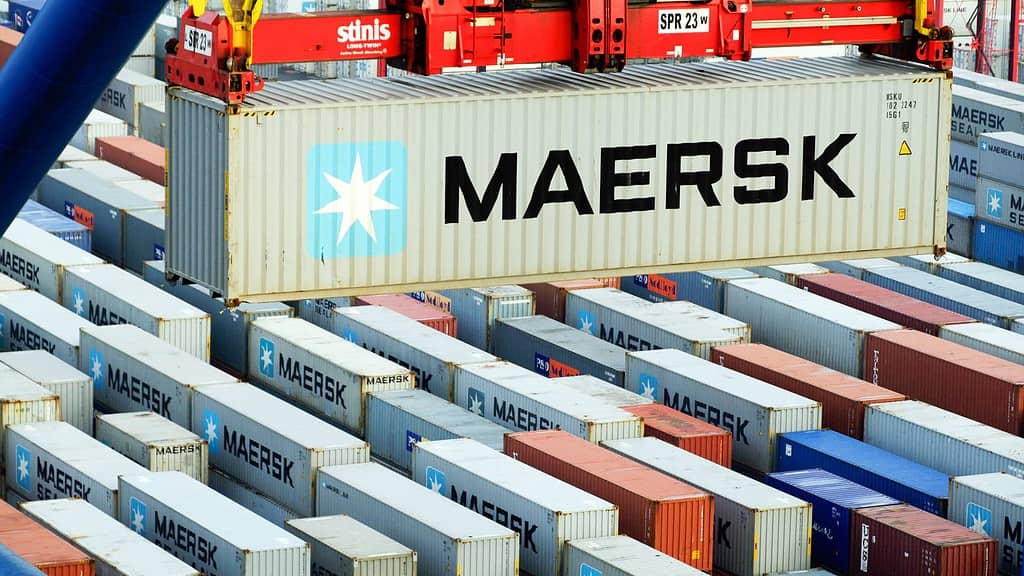
The agreement further advances Maersk’s decarbonization goals by increasing the company’s bio-methanol reserves, now meeting over 50% of its dual-fuel methanol fleet’s demand by 2027. Maersk has committed to an ambitious investment in dual-fuel vessels, with seven methanol-ready ships already in service, including six with 16,000 TEU capacities. These vessels are part of a larger strategy, with 25 dual-fuel methanol vessels currently on order and plans for further conversions within the existing fleet.
China’s Leading Role in Alternative Fuels Development
China’s strides in bio-methanol production and development have positioned it as a key partner in Maersk’s growing global alternative fuels portfolio. LONGi Green Energy’s bio-methanol production capabilities are anticipated to play a major role in meeting demand as Maersk ramps up its fleet renewal efforts to include cleaner fuels. Maersk notes that these efforts align with similar developments in other countries, including the United States, where several methanol production projects are at advanced maturity levels.
The company, however, acknowledges the industry-wide challenges of scaling green fuels. In a statement, Maersk emphasized the “net-zero challenge” that global shipping faces, citing the price gap between fossil fuels and low-emission alternatives. Maersk has called for a level playing field, urging the International Maritime Organization’s (IMO) member states to adopt a global green fuel standard and implement a pricing mechanism that supports the industry’s decarbonization goals.
A Dual-Pathway for Net-Zero
While methanol remains a leading option in Maersk’s net-zero journey, the company is also exploring liquefied bio-methane as part of a “multi-fuel future” approach. The company’s recent fleet renewal program includes a mix of methanol and liquified gas dual-fuel systems. Once the entire renewal process is complete, roughly 25% of Maersk’s fleet will be equipped with dual-fuel engines.
Maersk’s recent agreements reflect a clear strategic shift as the company aims to lead the maritime industry in the transition to sustainable fuel sources. With its long-term bio-methanol supply secured and its global alternative fuel projects advancing, Maersk believes the future of global logistics will see a mix of low-emission pathways. The deal underscores the continued momentum for methanol projects, bolstered by both Chinese innovation and complementary efforts across key markets, including the U.S.
Moving The Sea With Us!
Contact us today: +351 265 544 370 or go to Contacts Page
Email: sales@partyard.eu
#PartYard #PartYardMarine #Maersk #BioMethanol #AlternativeFuels #GreenEnergy #ChinaRenewables #SustainableShipping #FleetRenewal #DualFuel #MethanolProjects #NetZeroShipping #Decarbonization #MaritimeInnovation #GlobalLogistics #CleanFuelFuture #GreenShipping #MovingTheSeaWithUs

